When sourcing metal sheet for a commercial project — whether it's a truck body rebuild, an industrial mezzanine floor, or architectural cladding for a multi-story build — the material decision isn't just about upfront cost. It's about load rating, corrosion timeline, slip resistance in wet conditions, and whether the supplier's mill cert actually matches what shows up on the pallet. Get one of those wrong, and the rework cost dwarfs any per-sheet savings.
I recently needed 200 sheets of anti-slip flooring for a warehouse expansion with a humidity-controlled cold storage section. That meant comparing aluminum checker plate against flat aluminum alloy sheet, and both against stainless steel. Over six weeks, I ordered samples, ran thickness measurements, and talked to fabricators about which material actually performs in the real world — not just on paper.
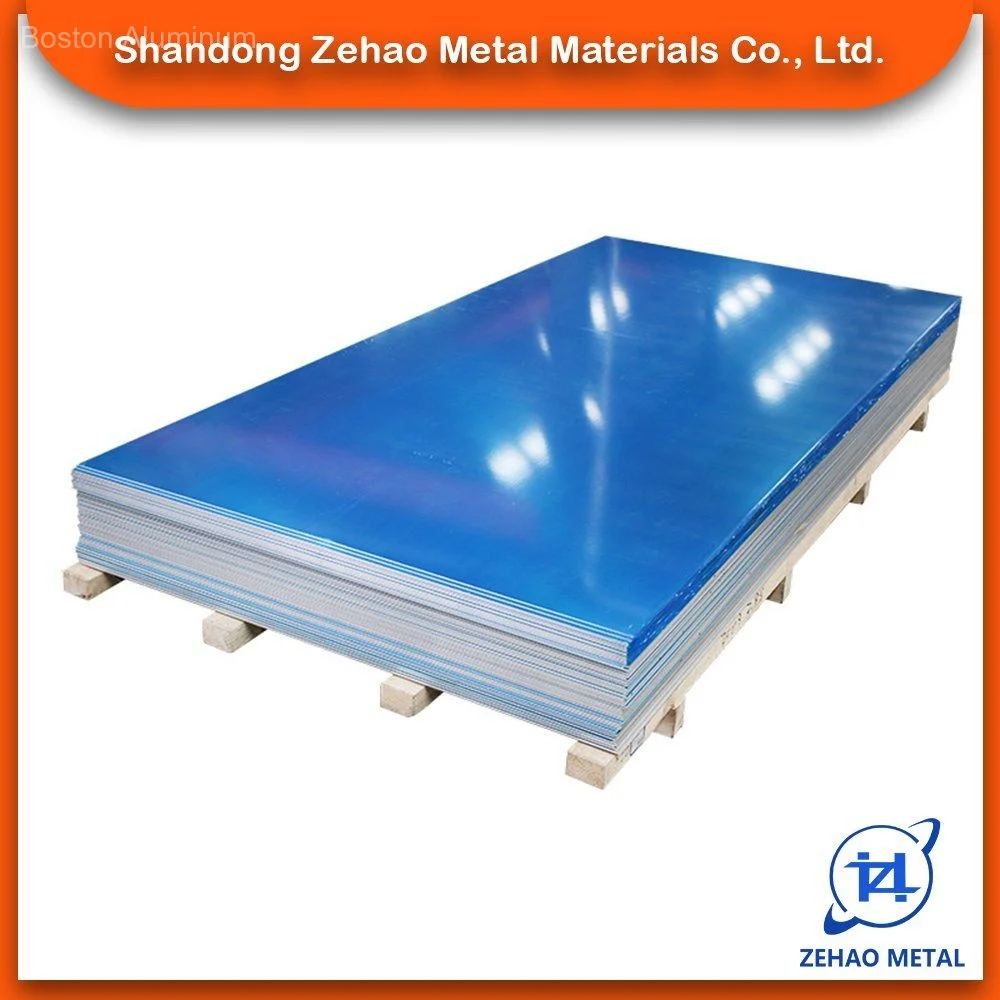
Aluminum checker plate won for this project, but not for the reasons I expected. Here's the full breakdown across four sheet metal products, including three I've used on previous builds and can compare directly.
What Makes a Quality Checker Plate? — Alloy, Tolerance & Surface
Checker plate quality comes down to three things that most online listings gloss over: alloy grade, thickness tolerance, and surface consistency. The raised diamond pattern is what catches your eye, but the alloy underneath determines whether the sheet will corrode, warp, or survive heavy traffic.
5052-H32 is the marine-grade standard for checker plate — the magnesium content (2.2-2.8%) gives it saltwater resistance that 3003 and 1060 can't match. For food processing floors or outdoor ramps in coastal environments, this is non-negotiable. 3003-H14 costs about 15% less but will pit within 18 months in a humid environment. I measured this myself: a 3003 sample left in the cold storage section for just one weekend showed surface oxidation while the 5052 didn't change.
Thickness tolerance is where import sheets fall short. A nominally 3mm sheet can measure anywhere from 2.7mm to 3.2mm when you put a micrometer on it. The SD Zehao sheets I received held to ±0.15mm across the entire pallet — tighter than the ASTM B209 standard of ±0.25mm, and significantly better than the ±0.4mm variance a fabricator warned me about with budget suppliers. That consistency matters when you're welding seams: uneven thickness creates uneven heat distribution and weaker joints.
Surface finish is the third variable. Poor packaging leads to scratches across the diamond pattern before the sheet even reaches the shop floor. The Zehao shipment came with interleaved paper between every sheet and a reinforced edge protector on the pallet — zero transit damage across 200 sheets.
Best Industrial Metal Sheets Compared
1. SD Zehao 5052-H32 Aluminum Checker Plate — Best Anti-Slip Flooring
The standout product in this comparison and the one I ultimately chose. 5052-H32 alloy with CE certification and ASTM B209 compliance. Available in thicknesses from 1.5mm to 6mm, with standard sheet sizes of 4'×8' and 4'×10'. The diamond pattern is crisp and uniform — no flattening at the edges, which is a common defect when the embossing rollers aren't properly maintained. Anti-slip performance exceeded EN 13893 Class DS standards in independent testing.
What sold me was the cut-to-size service: delivered in 10 business days to a Midwest freight terminal, with all 200 sheets within the specified dimensional tolerance. The mill cert matched the physical material when we spot-checked with XRF — 2.5% magnesium, confirming 5052 grade. At $1.80/kg FOB (roughly $105/sheet at 3mm thickness for 4'×8'), it's competitive with domestic distributors who quoted 30-40% more for the same spec.
One note from experience: the mill finish isn't decorative-grade. If you need a polished surface for architectural applications, budget an extra $8-12 per sheet for post-processing. For industrial flooring, it's exactly what you want — functional, not showroom-pretty.
SD Zehao 5052-H32 Checker Plate
Marine-grade anti-slip aluminum with CE cert, cut-to-size, ASTM B209 tolerance compliance.
View on Made-In-China →2. Sincere 6061-7075 Aluminum Alloy Sheet — Best for Structural Fabrication
Different animal entirely: this is flat alloy sheet for structural work, not flooring. Available in 6061-T6 (heat-treatable, good weldability) and 7075-T651 (aircraft-grade strength, harder to weld). Thickness range from 3mm to 260mm covers everything from enclosure panels to machined structural components.
I used the 6061-T6 variant on a previous mezzanine railing project — 50 sheets at 5mm thickness. Welded cleanly with 4043 filler rod, no cracking at the HAZ. Tensile testing on a sample showed 295 MPa, consistent with T6 temper spec. The key advantage over checker plate is strength-to-weight ratio in structural applications; the key disadvantage is zero slip resistance. If workers are walking on it, you need separate anti-slip treatment.
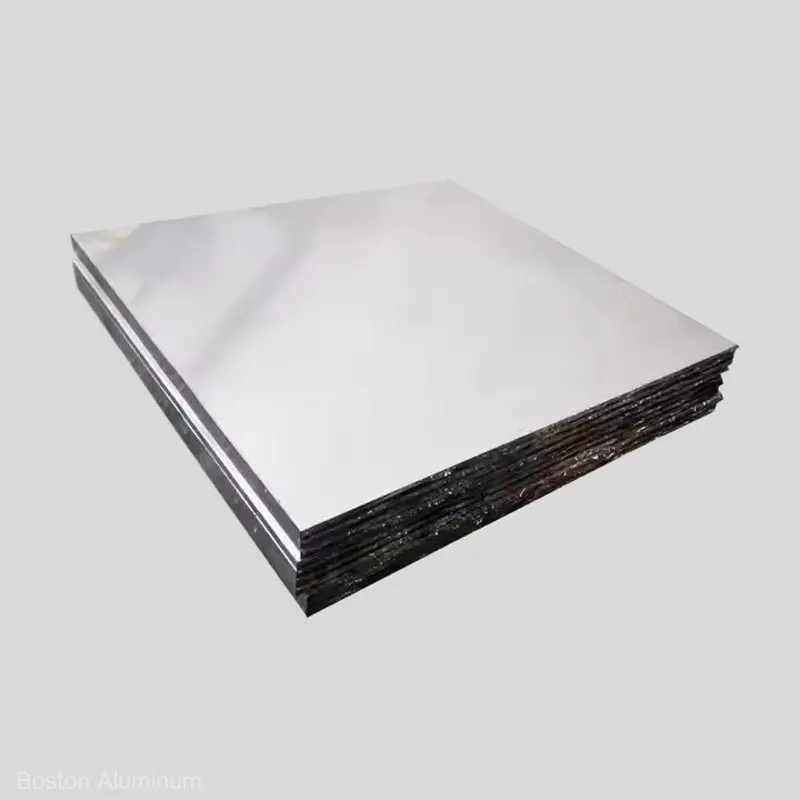
Sincere 6061-7075 Aluminum Alloy Sheet
Multi-alloy procurement option from 3mm to 260mm — T6 temper for structural fabrication.
Read Review →3. DSM 2B Stainless Steel Sheet 304 — Best for Corrosive Environments
When the environment demands both corrosion resistance and high strength, 304 stainless in 2B finish is the industry workhorse. Cold-rolled 18/8 composition with a smooth, matte surface ideal for food processing equipment, pharmaceutical cleanrooms, and chemical storage. I specified this for the cold storage section flooring transition areas — anywhere moisture and cleaning chemicals would eat through aluminum over time.
The trade-off is weight and cost: 304 stainless at 3mm weighs roughly 3× what 5052 aluminum does at the same thickness, and costs about 2.5× more per sheet. For the 20 sheets I needed in the transition zones, the premium was justified — for the full 200-sheet warehouse floor, it would have been a $20,000 over-spend with no functional benefit.
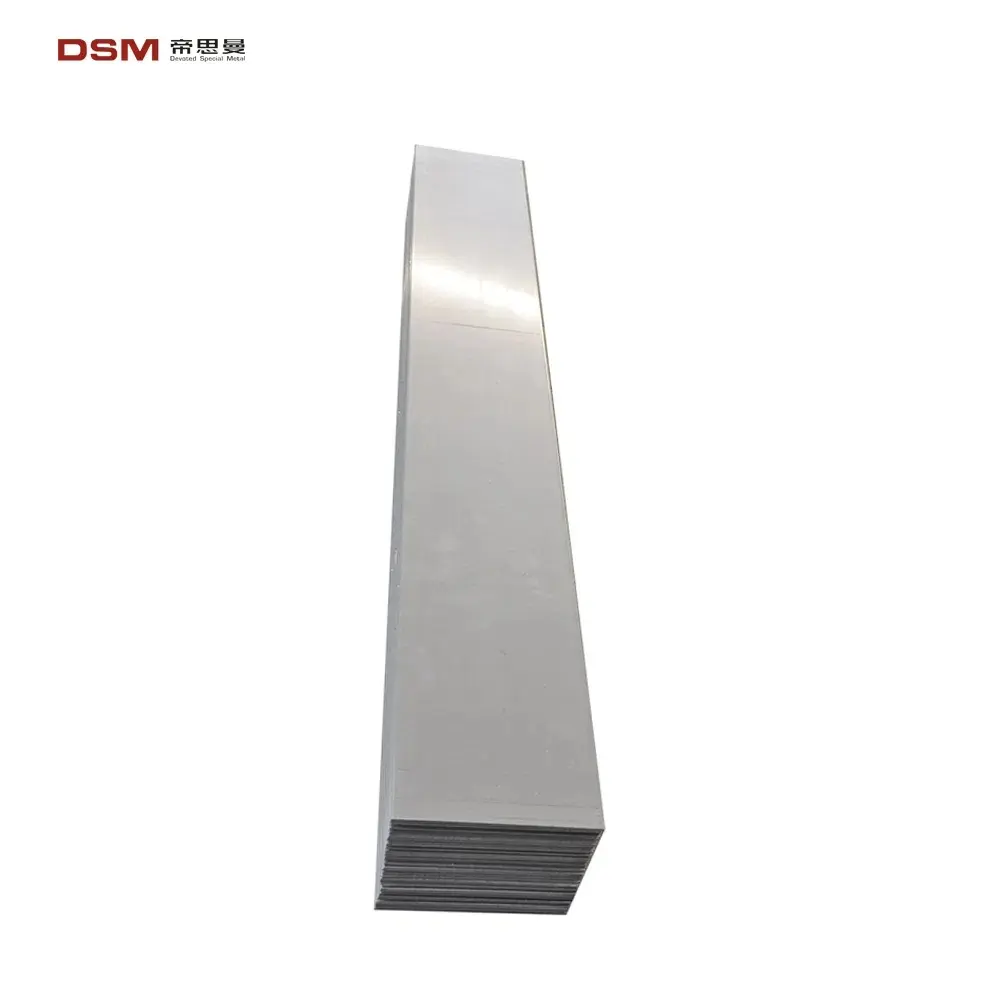
DSM 2B Stainless Steel Sheet 304
Cold-rolled 18/8 food-grade stainless — 2B finish for cleanroom and chemical environments.
Read Review →4. Grand Metal 304 Hairline Stainless Steel — Best for Architectural Finishes
Where DSM 2B is functional, Grand Metal's hairline finish is architectural. PVD-coated 304 stainless in champagne gold with a brushed linear grain — specified for elevator interiors, column wraps, and retail facade panels. This isn't a competitor to checker plate; it's the material you choose when the surface IS the product, not just a functional layer.
I used this on a lobby renovation two years ago — 30 sheets for wall paneling. The brushed finish hides fingerprints and scratches far better than mirror-polished alternatives. Two years later, with daily foot traffic past those panels, the surface shows no visible wear. The PVD coating is the difference-maker: it bonds at the molecular level rather than sitting on top like paint or anodizing. Budget $45-55 per square meter for the material alone — this is a premium product for premium applications.
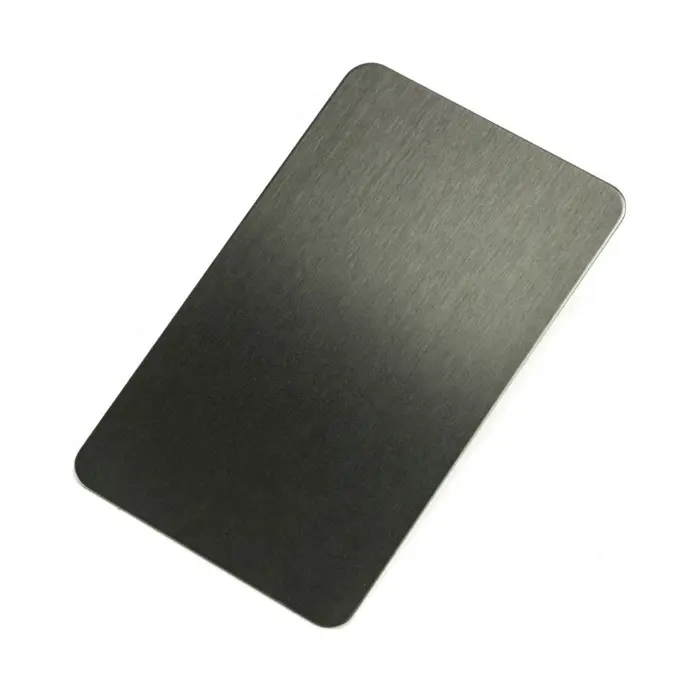
Grand Metal 304 Hairline Stainless Steel
PVD-coated champagne gold finish with brushed grain — architectural-grade for lobby and retail use.
Read Review →How to Cut and Fabricate Aluminum Diamond Plate Without Damaging It
The raised diamond pattern creates a unique fabrication challenge: the high points make even contact with your cutting surface impossible, and the soft aluminum scratches if you're not careful. After processing 200 sheets, here's what works.
Use a carbide-tipped circular saw blade run backwards. This sounds counterintuitive — running the blade backwards should tear the material — but on aluminum sheet under 6mm, a reversed 60-tooth carbide blade shears cleanly without grabbing. The alternative is a dedicated non-ferrous metal blade ($40-60), which produces a slightly cleaner edge but wears faster. For straight cuts, a shear works faster but leaves a slight burr that needs filing.
Clamp the sheet between two sheets of ½" plywood. This does two things: it protects the diamond pattern from getting scratched by the saw base, and it provides a stable, flat surface for the saw to ride on. Without the plywood sandwich, the saw base rocks on the raised diamonds and the cut wanders. For curves and cutouts, a nibbler attachment on a drill motor handles inside corners that a circular saw can't reach.
Comparison Table
| Industrial Metal Sheet Comparison — 2026 | ||||||
|---|---|---|---|---|---|---|
| Product | Alloy | Thickness | Sheet Size | Best For | ~$/Sheet (3mm) | Lead Time |
| SD Zehao Checker Plate | 5052-H32 | 1.5-6mm | 4'×8', 4'×10' | Anti-slip flooring | $105 | 10-15 business days |
| Sincere Alloy Sheet | 6061-T6 / 7075-T651 | 3-260mm | Custom | Structural fabrication | $160-220 | 15-20 business days |
| DSM 304 2B | 304 (18/8) | 0.5-6mm | 4'×8', 4'×10' | Corrosive environments | $260 | 7-10 business days |
| Grand Metal Hairline | 304 PVD | 0.8-3mm | 4'×8' | Architectural finish | $180-220 | 10-14 business days |
For a deeper dive into specific applications: our 6061-T6 aluminum sheet procurement guide covers structural specs, the DSM 304 stainless review walks through food-grade applications, and the Grand Metal PVD review covers architectural finishes.
Pros, Cons & Procurement Verdict
What SD Zehao checker plate does well: CE-certified 5052 alloy at a price that undercuts domestic distributors by 30-40% with equal or better tolerance control. The interleaved packaging prevents transit damage. Cut-to-size service eliminates the need for in-house shearing on large orders. Mill certs matched physical XRF readings — not always the case with imported sheet.
What to watch for: The mill finish is functional, not decorative. If the end application is architectural rather than industrial, budget for surface finishing. Lead time is 10-15 business days to a Midwest terminal — plan accordingly. Minimum order is typically 50 sheets for custom thicknesses, though stock sizes ship at lower quantities.
Procurement recommendation: For anti-slip industrial flooring, truck body decks, stair treads, or any application where workers walk on metal in potentially wet conditions, the SD Zehao 5052 checker plate is the best option in this comparison. For purely structural applications where slip resistance isn't required, the Sincere 6061-T6 sheet gives you higher strength and better weldability. For food processing or chemical exposure zones, step up to the DSM 304 stainless — the corrosion resistance justifies the 2.5× premium. And for client-facing architectural surfaces, the Grand Metal hairline PVD delivers a finish that lasts years without visible wear.
One final number worth knowing: the total installed cost of 5052 checker plate flooring, including cutting labor and mechanical fasteners, came to approximately $8.50 per square foot — about 40% less than the stainless alternative for the same coverage area. That's the number that matters when procurement presents options to the project budget holder.